Episode 4: Can wildlife tourism save ocean giants?

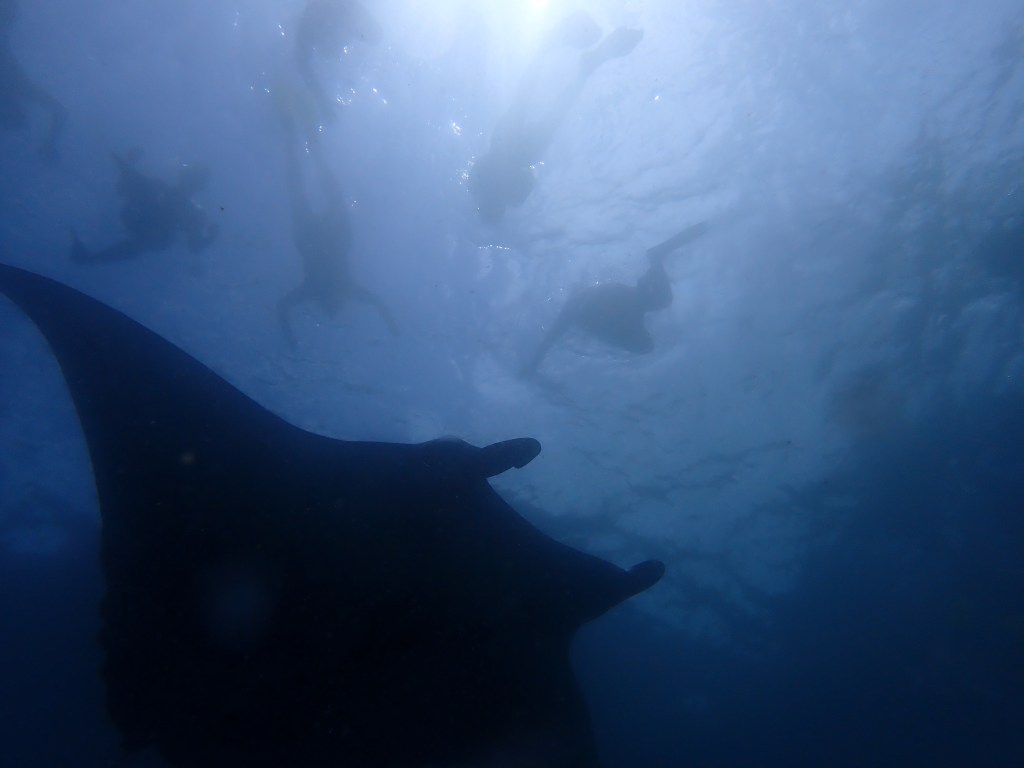
In this episode, we meet with Dr Simon Pierce, Executive Director of the Marine Megafauna Foundation (MMF) and Janis Argeswara, MMF’s country manager for Indonesia. We discuss the rising popularity of swim-with tourism with whale sharks and manta rays, and ask, should we be swimming with these mega-giants, or are we loving them to death?

More about our guests
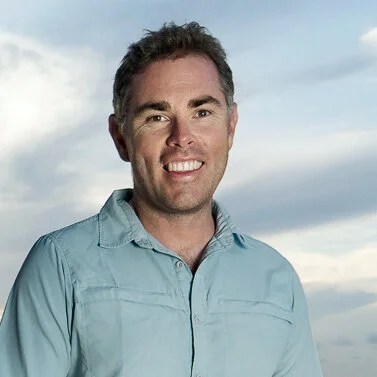
Simon Pierce

Dr. Simon Pierce is the Executive Director and co-founder of the Marine Megafauna Foundation. His research focuses on the conservation of marine megafauna, specialising in whale sharks but also including manta rays, sea turtles and the critically endangered grey nurse shark. His scientific speciality is marine conservation biology and his research focuses on the use of photo identification to non-invasively monitor populations of species with unique marking such as manta rays and whale sharks. You can find out more about Simon and his work on his website

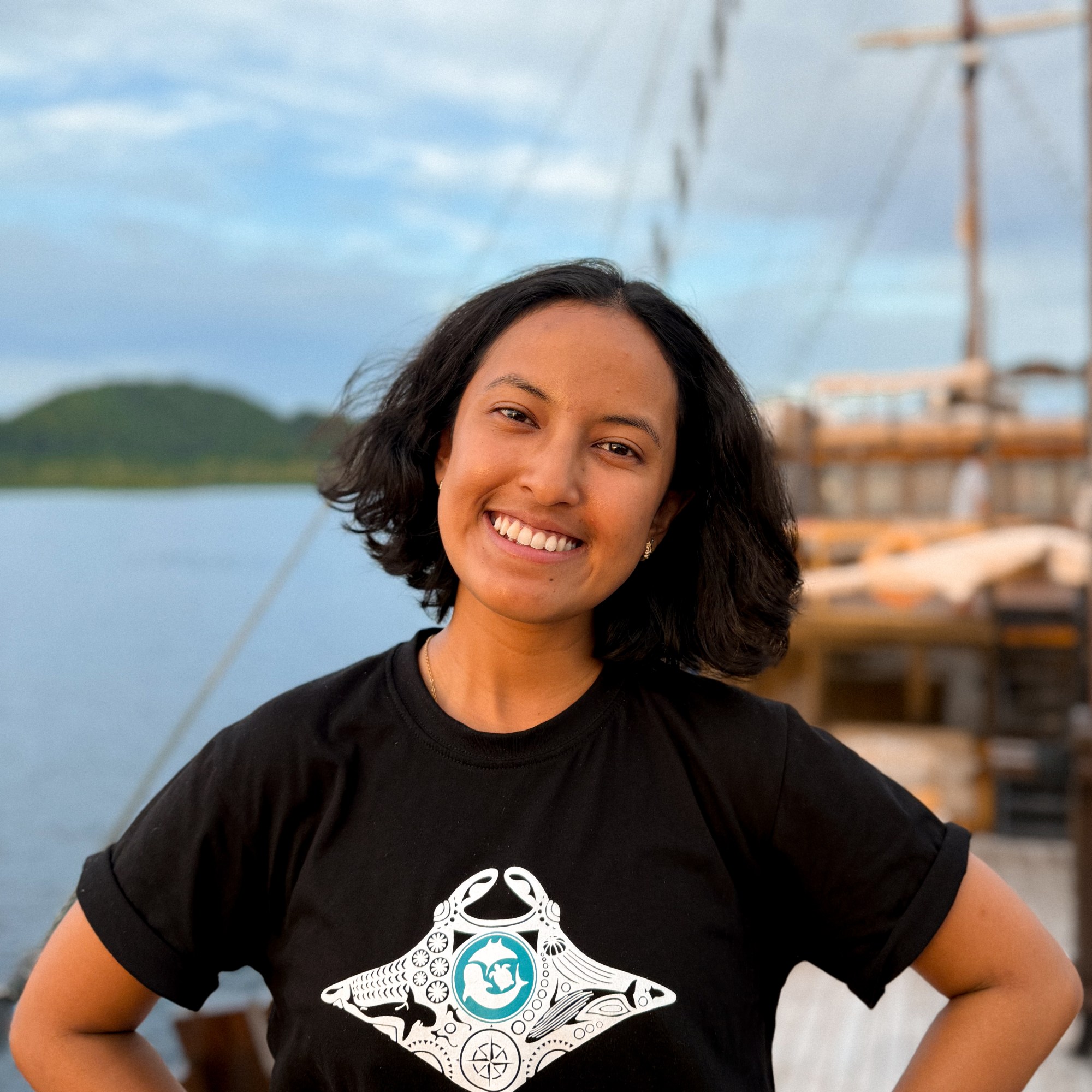
Janis Argeswara

Born and raised in Jakarta, Janis discovered her love for the ocean through childhood aquarium visits, a first encounter with sea turtles in Bali, and an obsession with being underwater that led her to pursue marine science. What began as a way to dive more has grown into a full conservation career, where she now serves as Country Manager (Indonesia) & Scientist at Marine Megafauna Foundation, leading research on manta rays, sea turtles, and sharks. Equally at home in the field and at her desk, she is driven by a deep commitment to science, community, and the animals she has dedicated her life to protecting.

If you want to know more about Simon, Janis, the work of the MMF, or responsible megafauna tourism, check out the links below!

Follow Janis, Simon and MMF on Instagram

Visit the Marine Megafauna Foundation website

Check out MMF Indonesia Resources

Join an MMF swim with expedition

Other Links:

The Manta Trust has recently published a study estimating that Maldives manta tourism generated US$227.3 million in 2021, representing 2.6% of the Maldives’ national GDP, with a total economic impact exceeding US$311 million annually when indirect spending is included. https://www.mantatrust.org/maldives-manta-value

2 responses to “Episode 4: Can wildlife tourism save ocean giants?”

  1. Another fascinating listen, thank you. It’s a relief to hear that responsible tourism can be genuinely beneficial in some circumstances. I foolishly mistimed my trip to Yucatan and failed to swim with whale sharks, but I’d love to one day, and it’s good to know I can probably do more good than harm by it.

    Still, this is a podcast about difficult, complex questions, so lets raise some. For tourism (any tourism, not just swimming with marine megafauna) there are two big issues: how to prevent harmful practices and what to do about overcrowding.

    Ensuring good behaviour is the easier problem and you already discussed how responsible operators can help form a self-policing community. Better regulations can also help, as can educating prospective tourists so that they choose reputable operators and pressure all operators to act responsibly. There are discussions to be had about what constitutes responsible behaviour and evidence is often hard to come by and open to debate but there is reason to be optimistic that these problems will become smaller over time, not larger.

    Sadly not true of the bigger issue of overcrowding. Jenny described swimming with whale sharks as something that everyone should try. Of course, it won’t appeal to everyone in the world but I can easily imagine that, say, a billion people might aspire to do swim with whale sharks, if their lives were safe, stable and affluent enough to permit it. It’s pretty clear, though, that would be a disaster for the sharks and their entire ecosystem.

    As humanitarians and non-hypocrites we must surely hope for the rest of the world to one day (soon) achieve the same standard of living as us, but we can’t possibly all pile in with the manta rays, so how do we either lower demand to a reasonable level or else decide on which lucky few get to do it and which have to give up on their dreams?

    This may be the biggest problem humanity has to confront in the coming years: the same dilemma applies not just to all types of tourism but to emissions, water consumption and every other use of scarce resources.

    Liked by 1 person

    1. Yes, really good points. And highly likely my excitement got the better of me as I reminisced about my experiences. I actually would be incredibly anti-“everyone-doing-this.”

      But the point about not everyone having access is an important one, and I imagine one we will talk about more around other topics. High cost ensures only privileged people can access it without providing any kind of assurance of good behaviour in the water (although it can mean much smaller and potentially well managed experiences), lower cost often results in far worse experiences for the animals with over crowding and a drive to get as many people in the water as possible.

      Although I can also imagine there are other ways to whittle this number down i.e. by banning social media sharing of the swim with experiences. I am not saying I am necessarily in favour of this as an approach, but it is likely that removing the promise of a glossy instagram post would dramatically decrease the numbers. Or perhaps by having official photographers of the experience, rather than everyone clamouring to attempt their own shark selfie. Perhaps there are other approaches that could be taken, but it is, as usual, a complex question with no easy answers!

      Like

Leave a comment